Target faces 40-day boycott at the least opportune time

US retail giant Target has been facing a 40-day consumer boycott since Wednesday over its retreat from its Diversity, Equity and Inclusion (DEI) policy. The campaign is being led by Reverend Jamal Bryant, pastor of an Atlanta megachurch, who accused Target of "turning its back on the community". The boycott comes at the least opportune time - the company is already struggling with economic problems, rising tariffs and a decline in consumer spending.
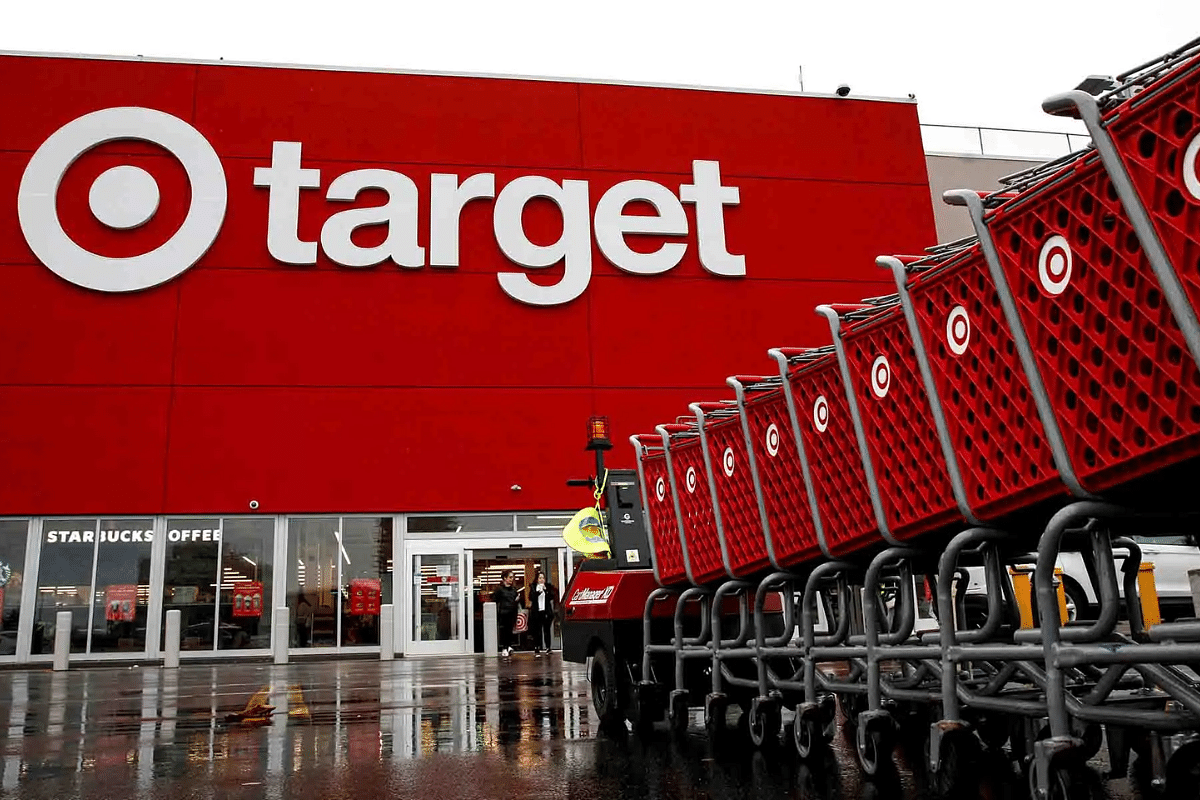
For Target $TGT, the current situation is particularly challenging. The boycott begins at the start of the Lenten season and hits the company at a time when its sales are down and customers are more cautious in their spending due to economic uncertainty.
The changes in DEI policy occurred on January 24, when Target announced the elimination of quotas for minority hiring, the dissolution of its executive committee on racial equity, and other adjustments to its diversity strategy. Instead, it unveiled a new initiative, "Belonging at the Bullseye," which management said is intended to better reflect the current social climate.
However, Target is now facing strong criticism. Unlike other large chains such as Walmart or Costco, Target has historically had a more progressive approach to DEI and LGBTQ issues, which has won it a liberal customer base. They now feel disillusioned and some are calling for a boycott. Even Anne and Lucy Dayton, daughters of one of the company's co-founders, have called Target's actions a "betrayal."
Data shows that foot traffic to Target stores has fallen more sharply than competitors in recent weeks. That suggests that the negative customer reaction is already taking a toll on the company's bottom line. Moreover, the boycott comes at a time when Target is facing other serious problems. New tariffs on Mexican goods as early as this week could lead to higher prices for fruits and vegetables, on which Target relies heavily during the winter months.
CEO Brian Cornell warned that "uncertainty about tariffs" will affect the company's profitability this quarter. Target already expects only minimal sales growth, which combined with the boycott poses a major challenge for the company.
How long the boycott will last and how much of an impact it will have remains to be seen. What is certain, however, is that Target finds itself in an extremely difficult situation - between pressure from conservative groups, the threat of higher prices, and now the dissatisfaction of its own customer base.
Disclaimer: There is plenty of inspiration to be found on Bulios, but stock selection and portfolio construction is up to you, so always conduct thorough self-analysis.
Source.
Αναφερόμενες μετοχές
Αυτό το άρθρο γράφτηκε και ελέγχθηκε σύμφωνα με τα συντακτικά πρότυπα της Bulios.
Ακολουθήστε το Bulios στα Google News
Μάθετε πρώτοι για νέες αναλύσεις, ειδήσεις και κινήσεις στις αγορές.
Προτεινόμενα άρθρα
 BLACK
BLACK BLACK
BLACK